Strava vs Runna: Which Running App Should You Pay For?
Strava records and analyzes, Runna plans and coaches, and both now come from Strava Inc. A round-by-round face-off and a clear pick for each kind of runner.
How this was made: every app here was used for at least two weeks before it was scored, and never paid for by an app maker. Our scoring method.

These two apps are not really rivals, and the fact that Strava now publishes Runna makes that official. Strava is the logbook, the map and the clubhouse. Runna is the coach with a clipboard. The real question is which job you need done, and whether you need both.
My verdict, up front: training for a race or a finishing time, pay for Runna and leave Strava on its free version. Running for fitness, friends and curiosity, pay for Strava and skip Runna. Planning to pay for both regardless, take the bundle.
The scorecard
| Round | Strava | Runna | Winner |
|---|---|---|---|
| Plans and coaching | Plans exist, behind the paywall | Paced, dated plans from 5K to 50K | Runna |
| Recording and devices | 50+ sports, uploads from almost anything | Runs only; sessions loaded onto your watch | Strava |
| Analysis after the run | Load, fatigue and effort charts | Progress against the plan, personal bests | Strava |
| Community and motivation | Feed, clubs, challenges, segments | Runna community, events, coach messages | Strava |
| Routes and safety | Route builder, offline maps, Beacon | Plan sessions, not routes | Strava |
| Free use | Real free version | First week free only | Strava |
| Value if racing | Pays for data you may not need | Pays for the thing you came for | Runna |
Round 1: Plans and coaching
This is Runna’s fight, and it wins without breaking a sweat. Onboarding is a short interview: how experienced you are, what you ran for 5K recently, which days are free and how many weeks you have. The result is a calendar in which every session has a name, a pace target and a reason to exist. Goals run from 5K up to a 50K ultra, with special-case plans for people who are brand new, coming back after a break, recovering from a race or returning from injury. A custom plan stretches anywhere from 6 to 26 weeks.
What I liked most was how little thinking it left me. Open the app, see today’s run, start it on the watch, hold the pace. Runna also drops strength, conditioning and mobility work into the week, and has Pilates and yoga classes for the days the plan says recover.
Strava does sell Training Plans as part of its subscription. They are a side dish. Strava’s genius is what happens after the run, not before it. Shopping mainly for a plan? Start somewhere else.
Winner: Runna.
Round 2: Recording and devices
Strava is the universal adapter of the sport. More than 50 activity types, uploads from Apple Watch, Garmin, Fitbit and a long tail of other gadgets and apps, and even gym sessions logged elsewhere arrive with sets, reps and a muscle map. Whatever is on your wrist, Strava will very likely take its data.
Runna is narrower on purpose. It records runs from the phone, and the day’s session travels to your watch with its paces loaded, whether that is an Apple Watch or a Garmin, COROS, Fitbit or Suunto. Treadmill runners can follow sessions on a compatible machine over Bluetooth. Afterwards, Runna passes the run along to Strava if you have linked them.
Winner: Strava, for breadth. Runna carries exactly what a plan app needs.
Round 3: Analysis after the run
Pay for Strava and you get a proper lab. A log that lays out weeks and months at a glance. A chart of training load building against fatigue. A heart-rate-based effort score for each session. Pace adjusted for hills. Comparisons with every previous run on the same course. Custom heart rate zones, pace and power breakdowns, and best efforts at standard distances. Strava’s AI write-ups, branded Athlete Intelligence, sit on top of all that.
Runna’s numbers point at the plan: how sessions went against their targets, weekly distance, personal bests and achievements as they fall. Right focus for a coach. Wrong place to study the shape of a whole training year.
Winner: Strava.
Round 4: Community and motivation
For many people the feed is the reason to open Strava at all. Kudos, comments, clubs, monthly challenges and segment leaderboards make every outing a small public event. That motivates. It also tempts you to sprint a recovery day for a crown, so ignore the segments when the plan says go slow.
Runna has its own community, in-person events, member offers and a support team of coaches you can message. Friendlier than competitive. If you need an audience, the crowd lives on Strava.
Winner: Strava.
Round 5: Routes and safety
Runna tells you what to run. It does not much care where. Strava does. The subscription lets you draw a course, take a suggested one based on popular local roads and trails, keep maps offline and see a heatmap of everywhere you have been. On a long run through unfamiliar streets, that is the difference between a planned 16 miles and an accidental 19.
Beacon, Strava’s live-location feature, lets chosen people follow you on the map, which is worth setting up if you run alone at odd hours. Runna’s answer to the same moment is simpler: the session is on your wrist, so you are not staring at a phone while you find your way.
Run the same three loops every week and this round will not matter. Travel, trail run or bore easily, and it will.
Winner: Strava.
Round 6: Price and free use
Strava’s free version is a real product. You can record, keep everything you have ever run, follow friends and join challenges without paying. The subscription costs $79.99 a year or $11.99 a month at the network’s published price, and a family plan for up to four people is listed at $139.99 a year.
Runna has no ongoing free version: one free week, then a monthly or annual plan. Strava sells the two together for $149.99 a year, billed annually, which beats two separate subscriptions if you were going to buy both.
Winner: Strava on free use. On value for someone racing, Runna, because you are paying for the plan you came for.
Two cards, side by side
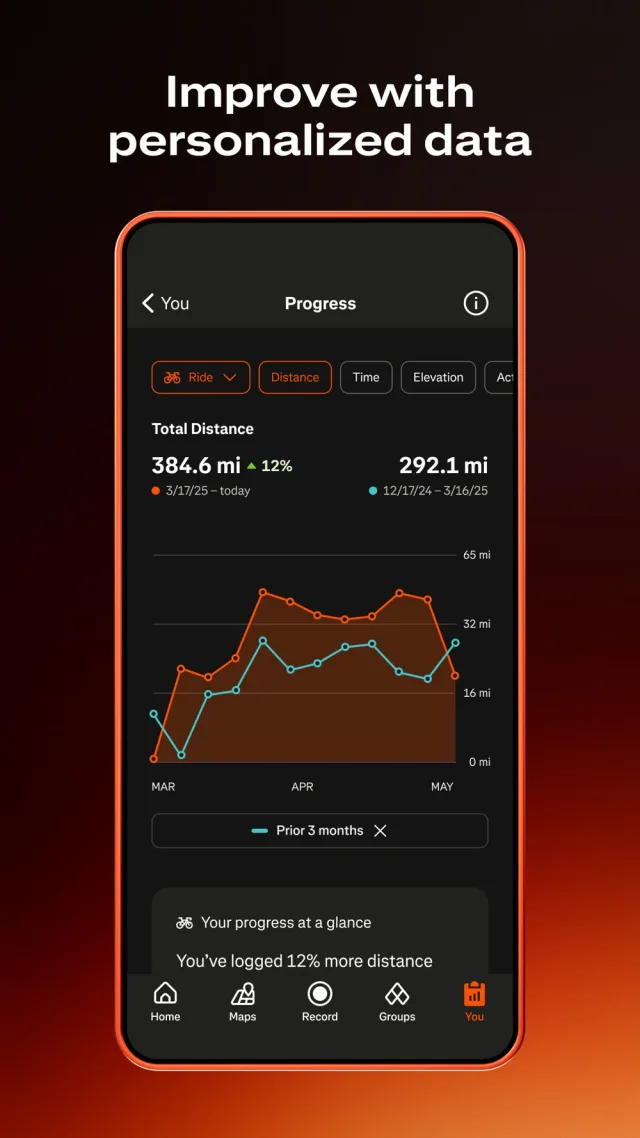
Image: Strava via the App Store
Pick it if: Every run on one record, any watch accepted, and an audience for the effort.
Strengths
- Strong free version: unlimited recording and history
- Deepest post-run analysis among running apps
- Accepts uploads from nearly every watch and fitness app
Drawbacks
- Plans are a side feature
- Segments, routes and the analysis toolkit need a subscription
- Free version
- Yes
- Subscription
- $79.99/yr or $11.99/mo
- With Runna
- $149.99/yr bundle
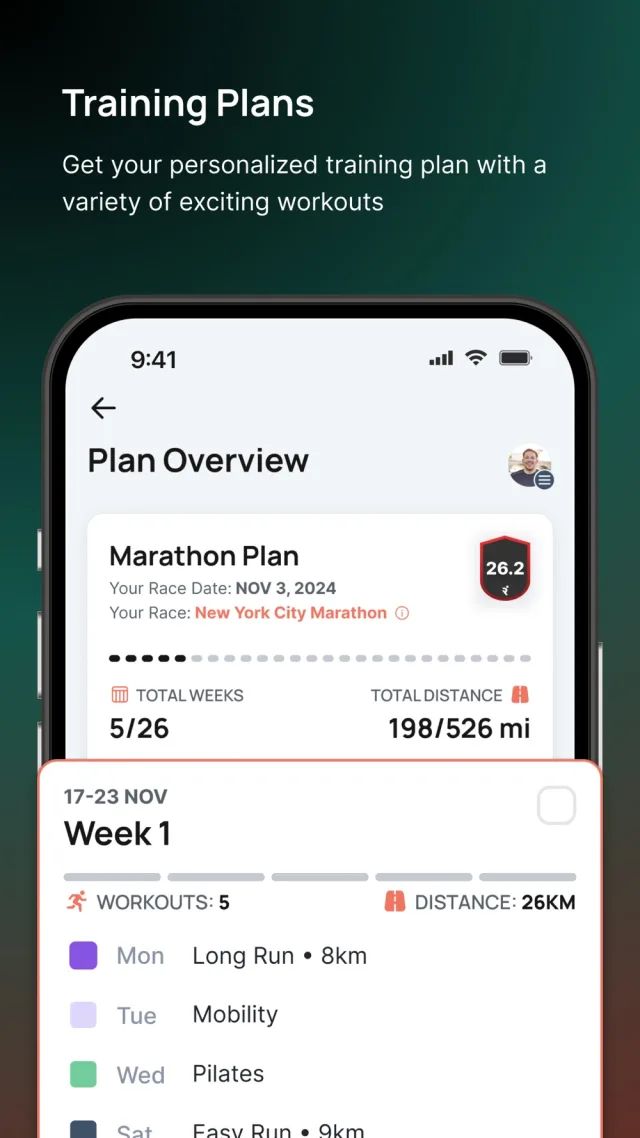
Image: Strava via the App Store
Pick it if: A race on the calendar, or a time to beat, and no wish to write the sessions yourself.
Strengths
- Goal plans from 5K to 50K, plus comeback and post-injury plans
- Today's session arrives on the watch with paces set
- Strength, mobility, Pilates and yoga built into the week
Drawbacks
- One free week, then a subscription
- Pointless if you would rather not follow a schedule
- Free version
- First week only
- Subscription
- Monthly or annual
- With Strava
- $149.99/yr bundle
Should you run both?
Plenty of runners will, and the setup is simple. Runna writes and delivers the plan. Strava receives every run and keeps the long-term record. If you only want one subscription, put the money where your current goal is. Twelve weeks out from a race, that is Runna, with a free Strava account catching the uploads. In the off-season, it is Strava, unless Runna’s Run to Maintain plans keep you honest enough to be worth the fee.
Two notes from the research. First, newer runners get hurt more: a meta-analysis put the injury rate for novices at about 17.8 per 1,000 hours of running, against 7.7 for recreational runners. That is the strongest argument for a plan that ramps gently, and for Runna’s New to Running track over a self-built schedule. Second, a meta-analysis of app trials found their effect on activity was strongest in the first three months. A plan with a race date and an end gives you a reason to keep opening the app; an open-ended log does not.
The verdict, by runner
- Racing a distance or chasing a time. Runna. Strava’s free version handles the record and the kudos.
- Running for fitness and the social side. Strava free. Upgrade only when you want routes, segments or the deeper charts.
- Data lover with no race planned. Strava’s subscription. Its analysis is the best in running apps.
- Starting from zero. Runna’s New to Running plan, or begin free with Nike Run Club, the free pick in the best running apps roundup.
- Wanting both. The $149.99 bundle.
How I compared them
I ran with both apps side by side for at least two weeks, following the method set out on our scoring page: plan sessions started from the watch, every finished run passed to Strava, both free versions explored before paying, and the upgrade offers recorded. Features come from each app’s own site and store listing. For a lifting matchup, read Hevy vs Strong, or zoom out to the best fitness apps.
Questions readers ask
- Is Runna owned by Strava?
- Runna's App Store and Google Play listings now name Strava Inc. as the publisher, and Strava sells a Strava + Runna bundle on its subscription page. They remain two downloads with two jobs: one plans your training, the other records and analyzes it.
- Can I use Runna without paying for Strava?
- Yes. Runna records runs by itself and loads each session onto a compatible watch. If you link the two accounts, Runna uploads finished runs to Strava, and a free Strava account is enough to receive them.
- Does Strava have training plans?
- Strava includes Training Plans in its subscription, alongside its analysis tools. They are a side feature. If a structured, paced plan toward a race is the main reason you want an app, Runna is built for exactly that.
- How much is the Strava and Runna bundle?
- Strava lists the bundle at $149.99 a year, billed annually. Strava alone is $79.99 a year or $11.99 a month at the network's published list price. Runna sells its own monthly and annual plans with the first week free.
- Which is better for a first half marathon, Strava or Runna?
- Runna. A first half marathon goes better with a schedule that decides your long runs, easy days and paces, and that is Runna's whole purpose. Keep a free Strava account if you want the social side and a permanent record of your runs.